


Guppy Fish Care Guide

About the Guppy
Guppies are small tropical freshwater fish native to South America. With around 300 different varieties available, each featuring unique colors, patterns, and tail shapes, it’s no surprise they are one of the most popular aquarium fish in the hobby. They are also very easy to find, as most pet stores regularly carry them.
Guppies typically grow to around 1–2 inches in size and are considered a peaceful addition to most community aquariums with similarly sized fish. One drawback is their relatively short lifespan, which is usually around 2 years, although with excellent care, some guppies can live up to 5 years.

Tank Setup
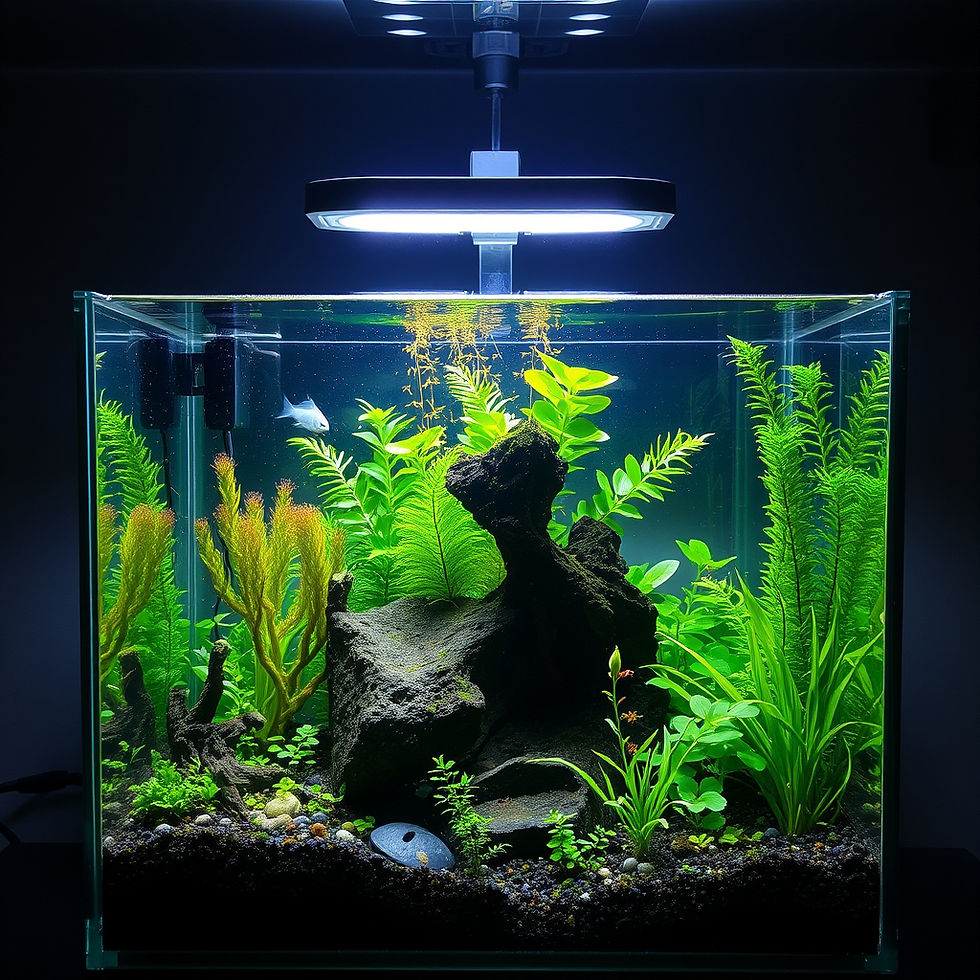
While guppies can technically be kept in a 5-gallon aquarium, a 10-gallon tank or larger is recommended. A larger setup allows you to keep a small group comfortably and helps maintain more stable water conditions.
Guppies are shoaling fish, meaning they generally do best when kept with others of their own kind. If you plan to keep males and females together, it is best to maintain a ratio of around 3 females for every male to help reduce stress and harassment toward the females.
Because guppies originate from warm tropical environments, their water temperature should be kept between 75–82°F, which usually requires a heater. They also prefer slightly harder water with a pH range of approximately 6.8–7.8.
Diet
Guppies are omnivores and are usually not very picky eaters. A high-quality flake or pellet food should make up the base of their diet. You can also supplement their meals with foods such as brine shrimp, daphnia, and bloodworms for added nutrition and variety. In some aquariums, guppies may also graze on certain types of algae.
Breeding
Guppies are livebearers, meaning they give birth to live fry rather than laying eggs. They are widely known for being very easy to breed in home aquariums.
Male and female guppies are generally easy to distinguish. Males tend to have brighter, more vibrant coloration and slimmer bodies, while females are usually larger and more muted in color.


Comments