


Aquarium Plant Care for Beginners 🌿Tips for Healthy Plants in Your Fish Tank 🌱
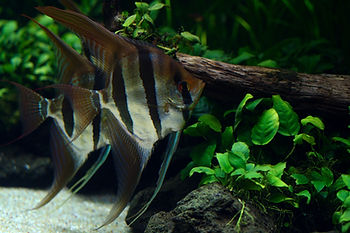
Maintaining a thriving aquatic environment is about more than just the fish; it’s about creating a balanced ecosystem where your flora can truly shine. A lush, green landscape doesn't just look stunning—it provides essential oxygen and hiding places for your aquatic life.
If you’re looking to transform your tank into a high-growth masterpiece, here are seven essential pillars for success.
1. Harness the Power of Light
Lighting is the engine of plant growth. Without the proper spectrum and intensity, photosynthesis stalls.
Know Your Species: Different plants have vastly different needs. Low-light mosses won't survive the same intensity as demanding carpet plants.
The LED Advantage: Modern full-spectrum LED lights are energy-efficient and mimic natural sunlight, providing the wide range of wavelengths plants need to pop with color.

2. Provide Targeted Nutrition
Just like land plants, aquatic species need a balanced diet. If they aren’t getting what they need from the water column, they’ll begin to wither.
Liquid Fertilizers: Great for water-column feeders (like Java Fern or Anubias).
Root Tabs: Essential for heavy root-feeders (like Amazon Swords) tucked into the substrate.
Carbon Boosts: Consider liquid carbon or a CO2 injection system to supercharge photosynthesis and accelerate growth.

3. Master the Art of Pruning
Regularly trimming your plants isn't just about aesthetics—it’s about health.
Avoid Overcrowding: Dense growth can block light from reaching the lower leaves and stifle water flow.
Prevent Debris: Pruning removes dying leaves before they rot, preventing the accumulation of organic waste that often leads to unsightly algae outbreaks.
4. Monitor Water Parameters
Stability is the secret to a successful planted tank. Regularly testing your water ensures the environment remains "just right" for your specific species. Key metrics to watch include:
pH and Temperature: Consistent levels prevent plant shock.
Nutrient Levels: Keep an eye on nitrates, phosphates, and potassium to ensure your fertilizers are doing their job without reaching toxic levels.
5. Choose the Right Foundation
Your substrate is more than just "aquarium dirt"; it’s the foundation for root development.
Nutrient-Rich Bases: Opt for substrates specifically designed for planted aquariums. These often come pre-loaded with essential minerals that provide a steady food source for months or even years.
6. Keep Algae Under Control
Algae is the primary competitor for your plants, stealing their light and soaking up their nutrients. To keep the balance in favor of your plants:
Balance Light Cycles: Avoid leaving your lights on for excessive periods (typically 6–8 hours is the "sweet spot").
Enlist a Clean-up Crew: Adding algae-eating fish or invertebrates (like Amano shrimp or Nerite snails) can provide a natural defense against growth.
7. Consistency Through Water Changes
Regular water changes are the ultimate reset button for your aquarium.
Remove Waste: This process physically removes accumulated toxins and waste products.
Replenish Minerals: Fresh water brings in trace elements that plants use up over time, ensuring they never run out of the building blocks for new growth.
Pro Tip: Every aquarium is a unique experiment. Always research the specific requirements of the plant species you choose and be prepared to adapt your routine as your underwater garden evolves.


Comments